Communication examines how political messages are made and delivered: framing and message testing, audience targeting and segmentation, spokesperson strategy, government information campaigns, and measurement of effect. Coverage draws on persuasion research and states where evidence is thin. Read by campaign staff, communications teams and researchers studying public opinion.
Research on news deserts finds less split-ticket voting, weaker accountability at the ballot and campaign money flowing to the uncontested information space.
The FTC's endorsement guides require material-connection disclosure and the FEC's rules reach paid political content, but unpaid enthusiasm, platform-native formats and foreign packaging fall between them.
WhatsApp, Signal and SMS let campaigns reach voters through channels with no ad library, no spend disclosure and no researcher access, and the gap is structural rather than accidental.
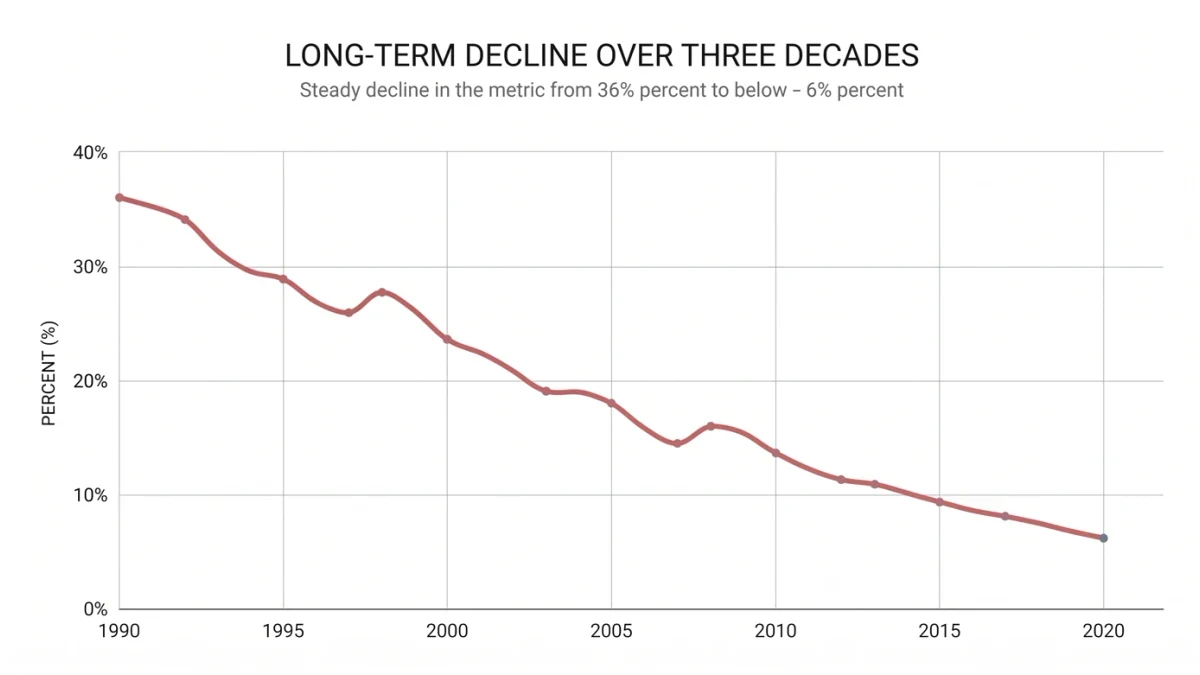
Response rates have collapsed to low single digits, and the statistical repairs pollsters use — weighting, modeling, aggregation — fix parts of the problem while quietly creating new ones.
Synthetic audio of candidates is the fastest-growing documented category, but the measured harms run through cheap fakes and miscontextualized video far more often than through photoreal fabrications.