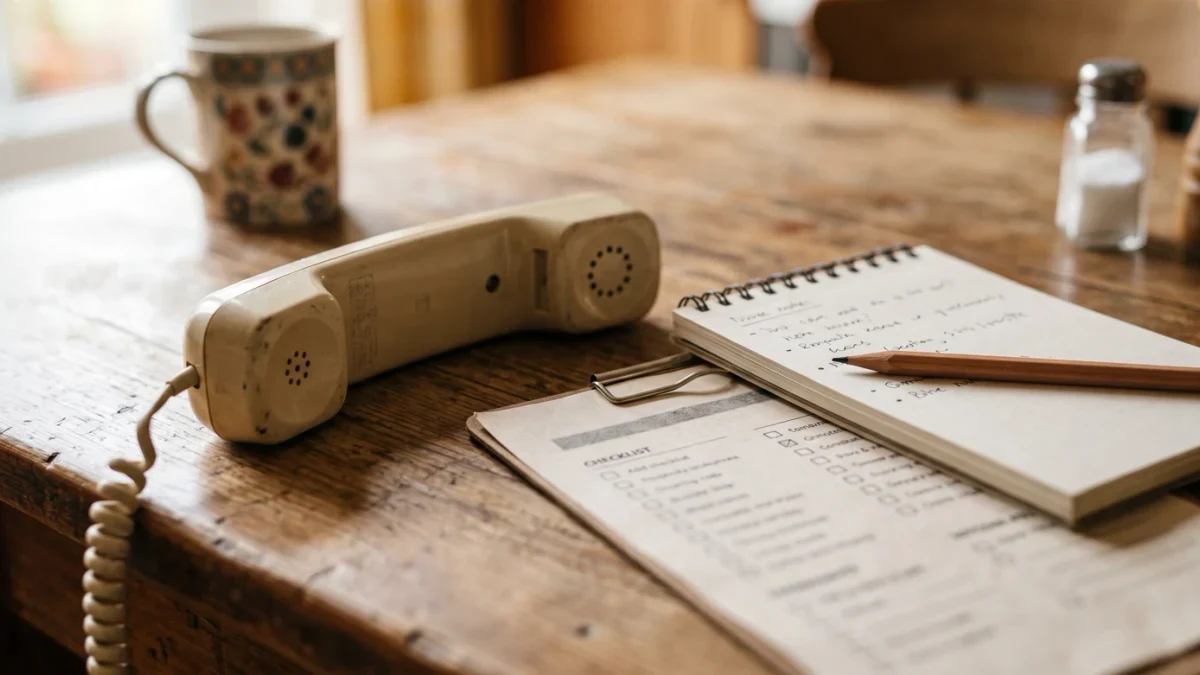
A push poll is a political telephone call that imitates a survey in order to deliver an attack: the caller asks a question loaded with negative information about a candidate — sometimes false, always damaging — and the respondent's answer matters less than the impression the question leaves. The defining features, as the American Association for Public Opinion Research's condemnations and the standards literature describe them, are scale and intent: thousands to hundreds of thousands of calls, no real questionnaire, no data being collected, and the call's purpose being the dissemination of the negative content itself. Legitimate message testing shares the surface form — a professional pollster calls and reads a harsh statement about a candidate before re-asking a vote question — and differs in everything beneath it: a real sample, recorded answers, analysis, and a client who wants to learn what works. The two are routinely confused in press coverage, and the confusion has consequences: fake outrage at standard research, and genuine push polls excused as testing.
What are the telltale signs?
Four, and they apply best in aggregate. Length and repetitiveness: message tests are one among several questions in a longer interview; push polls are short, repetitive and hammer a single target. Sample size claims: a caller saying they are doing a quick poll of thousands in your area signals volume, not sampling — research needs hundreds, persuasion needs everyone. Question content: research reads balanced batteries — positive and negative statements about both candidates, tested symmetrically — while a push poll's content is uniformly negative about one side. And follow-up: a genuine interview ends with demographics and thanks; a persuasion call often pivots to a request — vote, volunteer, donate — or ends the moment the payload is delivered.
Why do campaigns test negative messages at all?
Because contrast is how voters learn differences, and untested attacks misfire. The methodological literature on negative campaigning finds contrast messages can mobilize and can backfire — and campaigns cannot tell which without testing. A professional test exposes a sample to statements the campaign is considering — sourced to public records or the opponent's statements — and measures movement. This is legal, standard and, in the view of most practitioners, more honest than untested gut-feel attacks: the tested version that reaches air was measured, and the false versions campaigns abandon outnumber the ones they run. The line the AAPOR standards draw is precisely the data question: if answers are recorded and analyzed, it is research; if the call exists to plant the message, it is persuasion fraudulently dressed as research.
What do reporting rules for pollsters require?
Transparency sufficient for audit. The standards bodies — AAPOR and ESOMAR among them — call for disclosure of sponsorship (which a campaign may lawfully withhold from the respondent but must not deny to legitimate inquiry), methodology, sample size and question wording; the campaign-finance system separately requires that persuasion calling be reported as an expenditure. The disclosure asymmetry is where push polls hide: they are reported in FEC filings as phone banks or media, not polls, and their scripts surface only when recipients record or report them. News organizations' polling standards — the ones requiring methodology boxes on published surveys — are the reason real polls are auditable and fake ones are anecdotes.
What has actually been documented?
Genuine push polls are rarer than alleged and not extinct: the classic documented cases include the 2000 South Carolina primary calls spreading rumors about a candidate's family, and scattered state-race episodes since, typically traceable to consultants or independent expenditures rather than the named campaign. Most public allegations, on inspection, turn out to be message tests with one harsh battery — defensible research that looked ugly from the receiving end. The journalistic failure mode runs both directions: treating every hostile question as a scandal (which misleads readers about what campaigns legitimately do) and treating planted-message calls as just aggressive polling (which is exactly what the technique is designed to make you conclude).
What should a recipient do?
Note the structure, not just the sting: how long was the call, were answers recorded, were both candidates tested, was there a pivot at the end. Report the script to the targeted campaign and to local press — scripts are the evidence. And if the call contained a factual claim, treat it as a claim: check it, because push polls' defining sin is that their payload is unaccountable advertising — the attack no one paid to disclose. The telephone survey form borrowed surveying's credibility for a message that could not have earned it on its own; seeing the costume is the defense.