The measurement record has converged on a split verdict for the AI-search transition. On one side, citations and referrals from AI systems are growing dramatically: Similarweb's June 2025 analysis found ChatGPT referrals to news sites had grown from roughly one million visits in early 2024 to more than 25 million, and Digiday's 2025 tracking showed AI referral traffic rising hundreds of percent year over year. On the other side, the base and the engagement are nowhere near replacement scale: Chartbeat's 2026 analysis found AI sources such as ChatGPT account for less than one percent of publishers' pageviews, with the lowest per-article engagement of any traffic source — and the referral growth is arriving precisely as the search channel it might have compensated is shrinking faster.
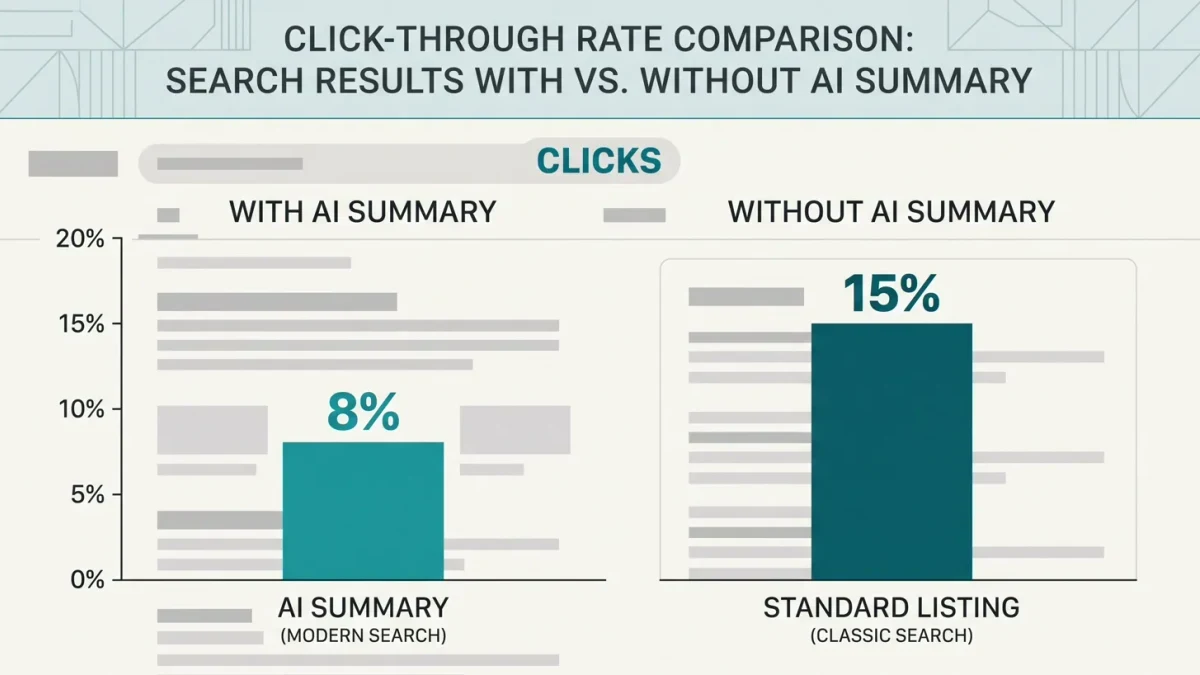
The search side's numbers are stark. A study reported by Search Engine Land in 2026 found zero-click Google searches reached 68 percent in early 2026, up from 56 percent in May 2024, with AI Overviews appearing on more than 20 percent of searches and cutting click-through rates roughly 60 percent when present; Semrush's analysis of Google's AI Mode found 93 percent of such sessions ending without a click to any external site. Publisher-specific studies bracket the damage: Digital Content Next's survey of its members found Google search traffic losses of one to 25 percent attributable to AI Overviews, while Ahrefs' research put click reductions at 34.5 percent when summaries appear — and the Daily Mail told a UK government review its click-through traffic fell by as much as 89 percent on affected queries, as reported in September 2025. News executives surveyed by the industry expected search referrals to fall on the order of 43 percent by 2029, and The Guardian's January 2026 coverage captured the sector's framing bluntly: fears of the end of the traffic era.
Why isn't the citation economy compensating?
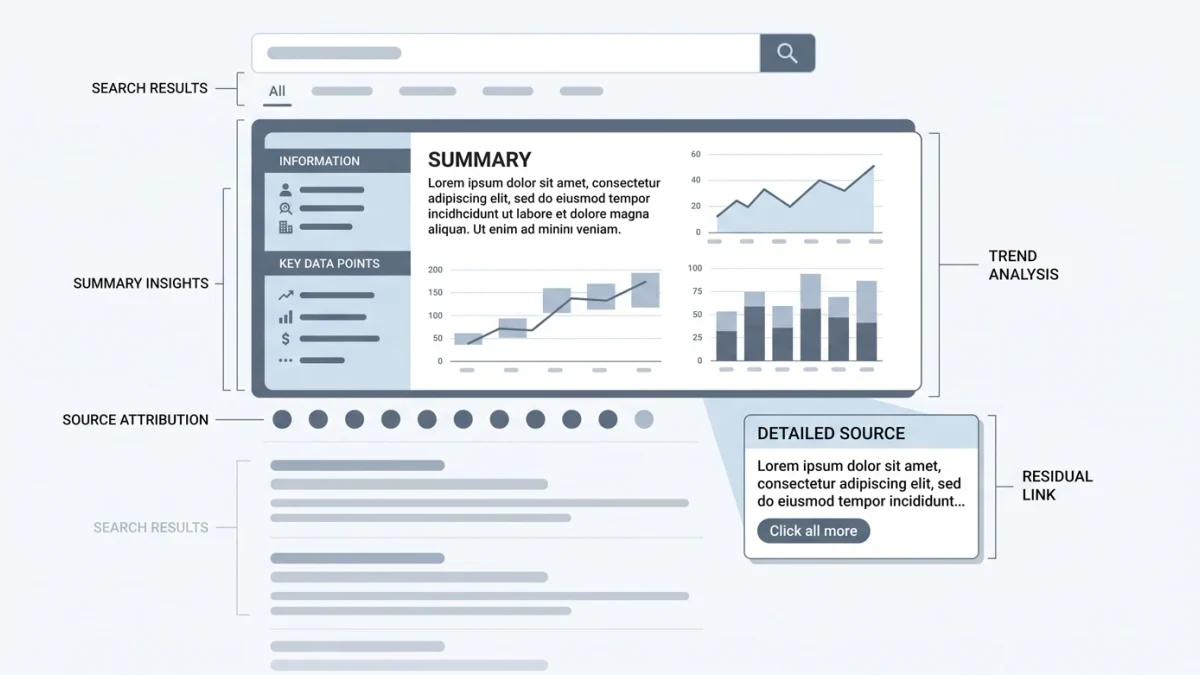
Arithmetic and design. A traditional search sends the user to one destination; an AI overview answers the query and lists many sources without sending anyone — the News Media Alliance's 2025 report measured chatbot click-through rates 95.7 percent lower than traditional search, referral rates near zero. The citations that do arrive concentrate on brand queries and breaking subjects, and their visitors engage least, per Chartbeat — arriving with the question already answered. The structural point publishers keep making in the licensing negotiations: attribution without traffic is a new form of the aggregation bargain, one where the platform keeps the reader and the publisher gets a footnote.
What are publishers actually doing?
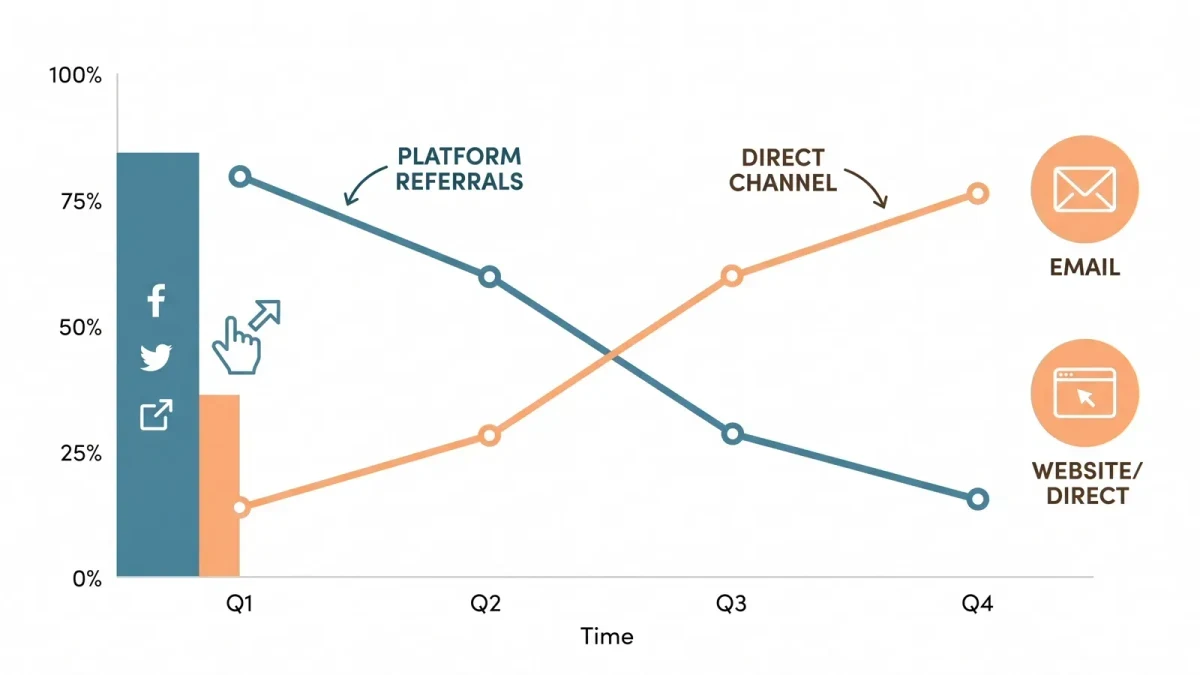
Three documented strategies, running simultaneously. Measurement pressure: publishers and their trade bodies are demanding traffic statistics from Google at query granularity, arguing that only platform-side data can establish the diversion's scale — the demand The Guardian's coverage centered on. Licensing: the OpenAI-era deals trade content access for payment precisely because the referral upside is gone, converting what was distribution into procurement. And product hedging: registration walls, newsletters and direct-app strategies that assume search of any kind — blue-link or AI — is no longer the acquisition channel to build on. The news organizations with the strongest direct relationships entered the AI-search transition with the least exposure; everyone else is negotiating from traffic they have already lost.
The honest reading for mid-2026: the AI citation exists, the AI referral exists, and both are real products of a functioning system — one whose measured output answers the reader's question before any newsroom gets the visit. Whether the licensing payments and the residual direct traffic together sustain journalism at scale is the decade's open commercial question, and the early-2026 numbers say the burden has already shifted from the click to the contract.