
Topic
How the Freedom of Information Act actually works, and where requests stall
The federal records law is simple on paper. The process, the fees, the exemptions and the waiting are where it gets complicated.
The federal records law is simple on paper. The process, the fees, the exemptions and the waiting are where it gets complicated.
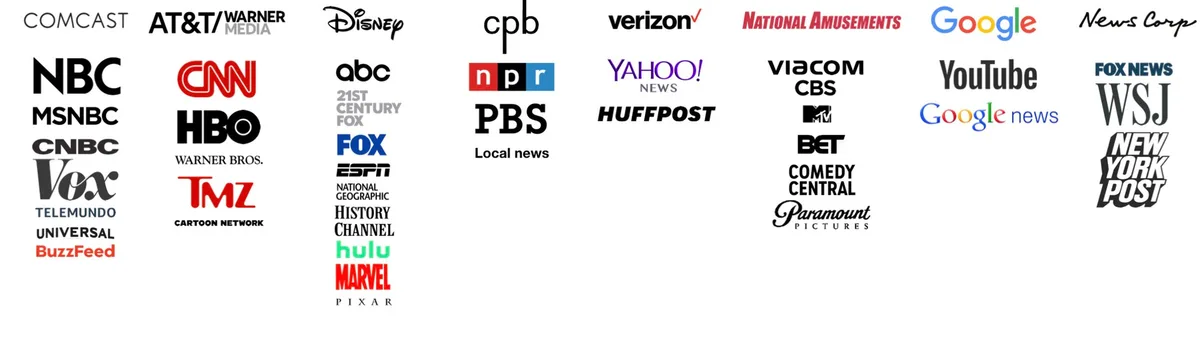
The name on the byline is rarely the name on the ownership paperwork. Here is how the layers work, and how to trace them yourself.
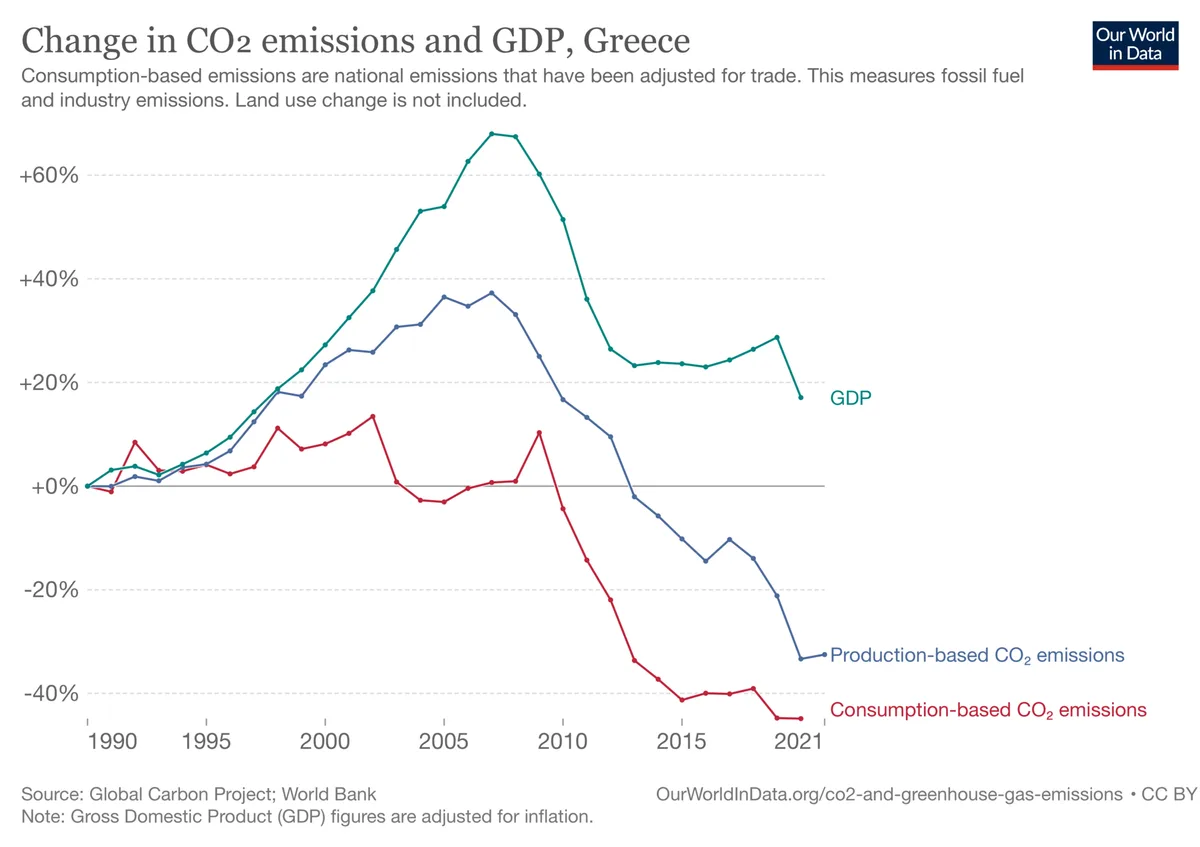
The world's default scoreboard for economies was never designed to judge welfare. Its own inventor said so.
Active listening is a small set of habits — paraphrase, reflect, ask — that research links to more trust and fewer misunderstandings. Here is how each move works and how to practice one today.
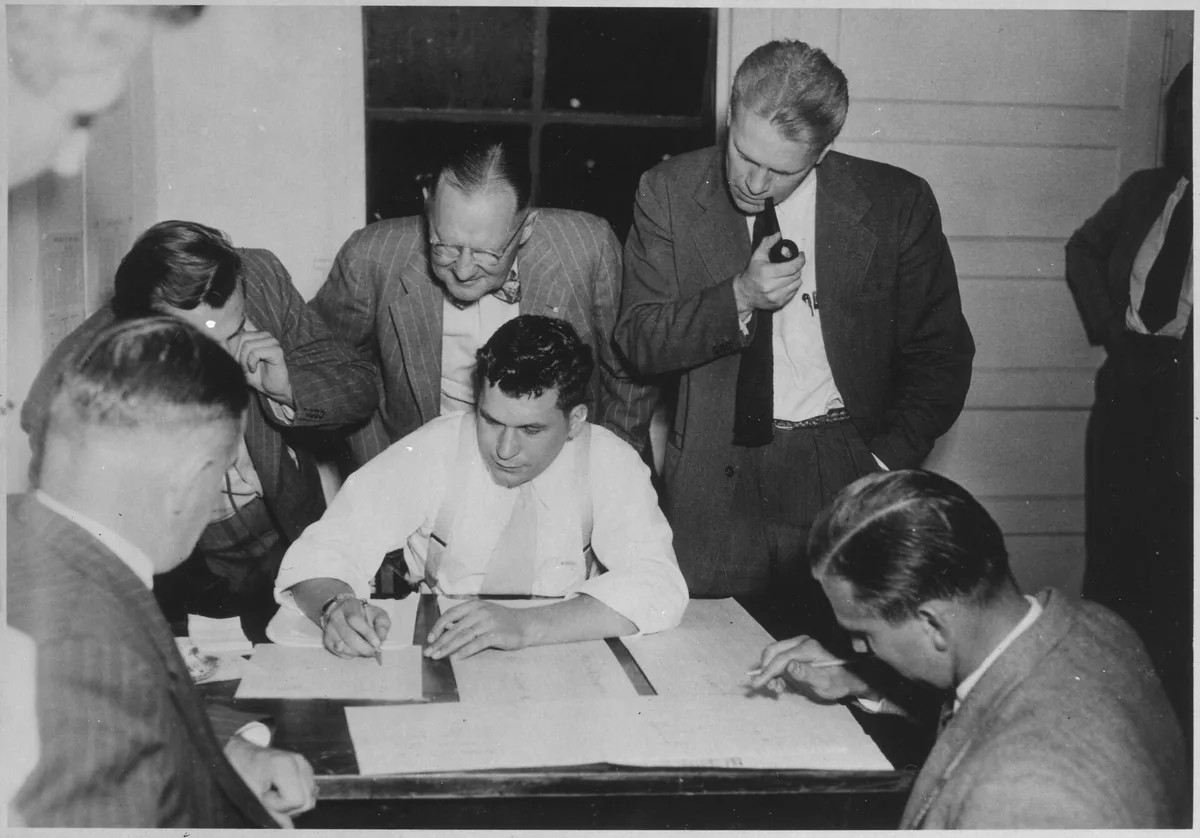
Vote counting can run by hand or by machine, and canvassing is the step that turns raw tallies into official results. Here is how the chain works, from ballot box to certified outcome.

Public policy careers blend research, writing, and government know-how. Here is what to study, which skills matter, and how to land a first role.

Crossed arms are not a verdict, and eye contact is not a polygraph. A guide to what nonverbal signals can and cannot tell you.

Cases, plans, counterplans, and the strange speed of it all — a plain-language guide to the format that trains a lot of the country's policy minds.

What the degree actually asks of you, where graduates really land, and how to test the salary promise before you commit.

Going public with evidence of wrongdoing is a legal pathway with real rules — and real personal risk. Here is how the process actually works.